Author: Eleanor Ashcombe · Publisher: QuickFreeStart Credits Journal
A colourful balance can look impressive before you know what it measures. In a social casino, the useful first step is to read the unit beside that number. This 2026 guide looks at virtual credits as part of a game: a way to enter rounds and follow results, without treating a rising balance as income or a falling one as a debt.
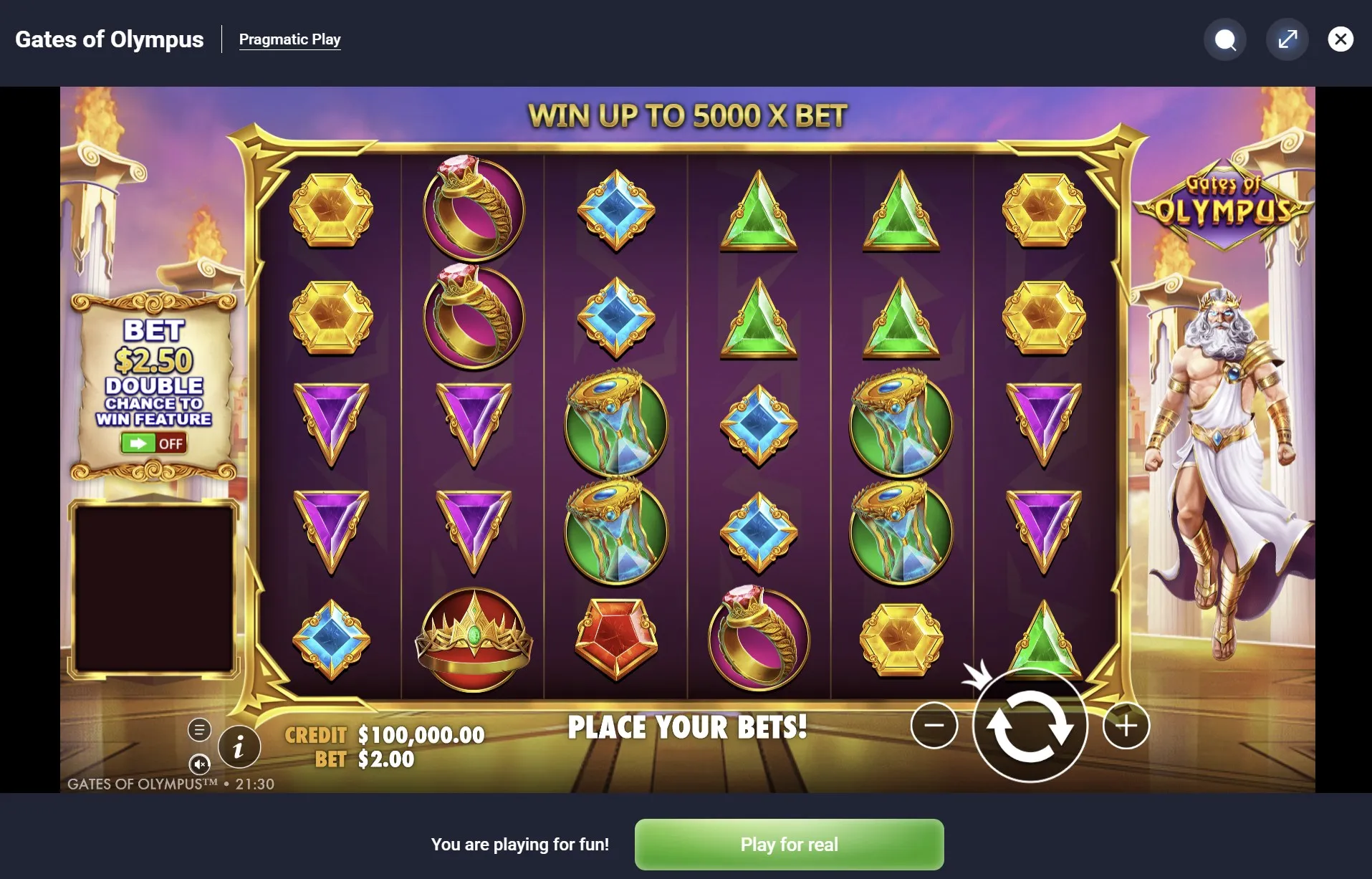
What the balance means
QuickFreeStart describes its games as entertainment with free virtual credits that have no monetary value. Its information says they cannot be withdrawn or exchanged for goods or services. Keep that explanation beside any exciting game language. A prize animation belongs to the round; it does not turn the displayed amount into something you can spend elsewhere.
Words such as coins, points and rewards can describe different counters. A level may record progress, while a balance pays for another turn. Read the help panel to see which number changes and why. If a label is unclear, leave it unresolved until you find an explanation. Guessing from the size or colour of a symbol is a poor way to understand a game.
Separate the counters
- Find the balance used to start a round.
- Check whether a progress bar tracks a separate goal.
- Read the meaning of any reward before trying to collect it.
Read a round clearly
Before pressing play, look for the round cost and the current balance. After the result settles, check them again. Some screens show the reward first and update the total afterwards. Waiting for that update helps you avoid confusing an animated count with the final balance. The aim is to understand the display, rather than to predict the next result.
- Open the rules and locate the cost of one round.
- Choose a setting you understand before starting.
- Let the result finish and read the updated total.
- Decide whether another round still sounds enjoyable.
For a simple illustration, imagine a round that costs ten units and returns four. The return is positive on its own, but the balance has fallen by six. These are example numbers, not a description of a particular game. Looking at both sides of the change gives a clearer picture than judging the round by its music, flashing lights or celebratory wording.
Compare rewards and costs
Two games can use very different number scales. A large starting balance may accompany a large round cost, while a smaller balance may last through more turns at a lower setting. Compare what the units let you do within each game. Virtual credits from separate games are not a common measure of achievement, and a bigger number alone says little about the experience.
| Display | Useful question |
|---|---|
| Balance | What does one round cost? |
| Round reward | Does it cover the units used? |
| Progress bar | What action moves it? |
| Large animation | What changed after it ended? |
A smaller balance is also a reasonable stopping point. You do not need to restore the number before leaving, and yesterday’s result does not set a target for today. If you enjoy discussing games, our guide to playing together explains how to keep comparisons friendly. Treat another person’s screenshot as one moment, not a complete account of their session.
Keep the screen understandable
On a phone, a help button or cost label may be easy to miss. Pause before changing settings, especially after rotating the screen or returning from another app. Our mobile gaming guide covers readable controls and deliberate taps. Learning where information lives is more useful than rushing through rounds to discover it by accident.
Author’s opinion
I find virtual credits easiest to enjoy when I stop treating the balance as a score I must defend. Clear rules and an easy exit matter more to me than a dramatic reward screen. My preference is to learn one game slowly, notice what each counter means, and leave while the activity still feels light. A session does not need a triumphant ending to have been pleasant.